
Top 3 Uses of Projection Mapping in Experiential Marketing
Here, we explore the top three uses of projection mapping in experiential marketing and how this fusion of visual design and technology continues to redefine brand engagement in 2026.
1. Launch Events
Projection mapping elevates launch events into unforgettable moments, allowing brands to unveil their latest offerings with a bold, immersive visual display. The process involves creating a 3D model of the surface onto which the projection will be mapped, followed by the design and animation of the content. Whether mapping onto the façade of a building or transforming the interior of a venue, this technology tailors the environment to reflect the essence of a product, generating buzz, driving social sharing, and earning media coverage. VIVA uses large-scale projection mapping at global reveal events to dramatize moments in ways that traditional stage design simply cannot match.
2. Brand Storytelling
Every brand has a story, and projection mapping provides a powerful medium to bring those narratives to life. What has changed in recent years is the integration of AI-driven, real-time content generation, allowing brands to dynamically adapt projections based on audience interaction, environmental data, or live social feeds. This elevates projection mapping from a pre-rendered spectacle into a genuinely responsive experience. Leading brands leverage this technique to craft immersive experiences that communicate innovation and inspiration, deepening the emotional connection between brand and audience in ways that transcend static environments.
3. Reaching a Large Audience at Scale
One of the most significant advantages of projection mapping is its ability to capture attention at massive scale. By projecting onto buildings, monuments, or natural landscapes, brands can engage thousands of people simultaneously while social media extends that reach exponentially. When MSC Cruises needed to make a bold statement for a new ship launch, VIVA transformed the 360-foot façade of the InterContinental Hotel in downtown Miami into what became the city's largest experiential marketing display. Visible for miles across Biscayne Bay, the activation engaged the local community, sparked social media conversation, and positioned MSC as a leader in the cruise industry.
Conclusion
Projection mapping, also known as spatial augmented reality, has become one of the most powerful tools in experiential marketing, offering limitless possibilities for creativity and engagement. From launch events and brand storytelling to interactive installations, projection mapping transforms any environment into a living, breathing brand story. As technology advances, we can only expect its uses in experiential marketing to expand further, continuing to captivate and inspire audiences.
For experiential marketers and event planners who want to push the boundaries of audience engagement, projection mapping offers a powerful canvas on which to paint their visions. It is not just about projecting images; it is about creating moments people remember and share long after the event ends.
Interested in learning more about projection mapping and its applications? Contact us.
Share This Article



Explore All Work

Explore Our
Recent Work
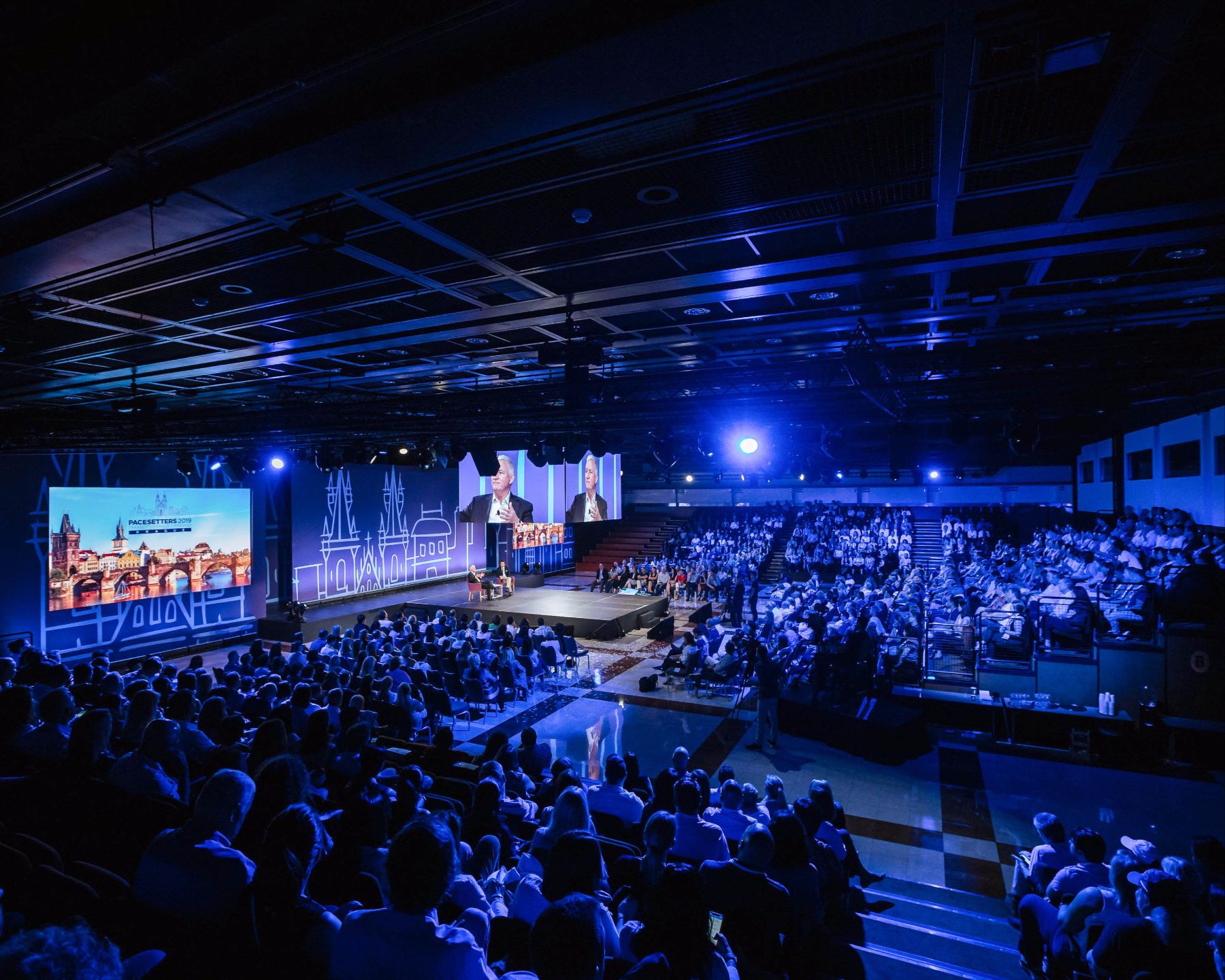
AMERICAN EXPRESS GLOBAL BUSINESS TRAVEL CONFERENCE
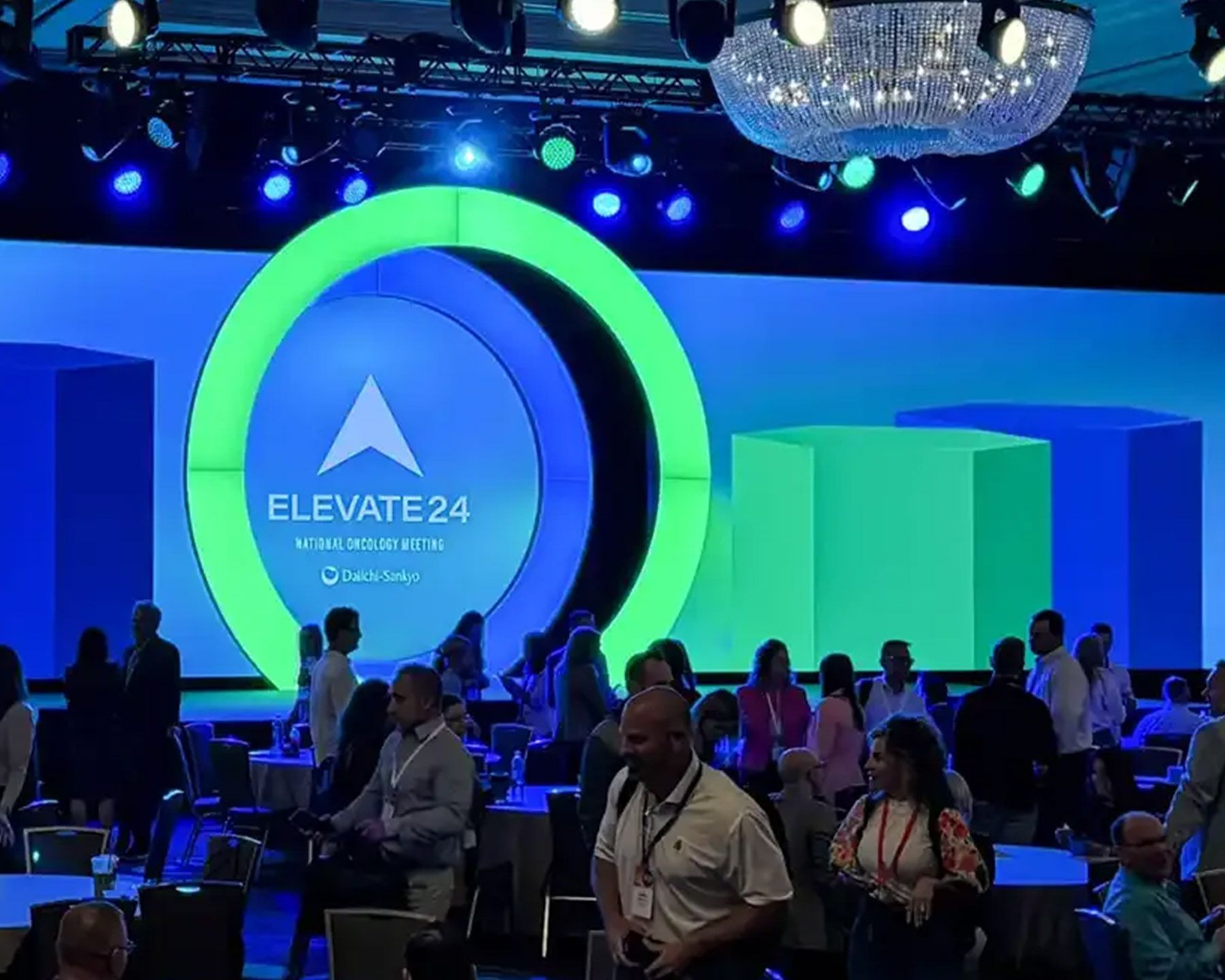
DAIICHI SANKYO NATIONAL LEADERSHIP CONFERENCE

AN OPRAH SPECIAL: SHAME, BLAME AND THE WEIGHT LOSS REVOLUTION